
If you live in Malta, you’ve probably heard people talk about high TDS levels in tap water. Many assume that a high TDS reading automatically means the water is unsafe to drink. But is that really true?
In this article, we explain what TDS actually means, why Malta’s water has higher readings, and why the number alone does not indicate that the water is unsafe.
What Is TDS?
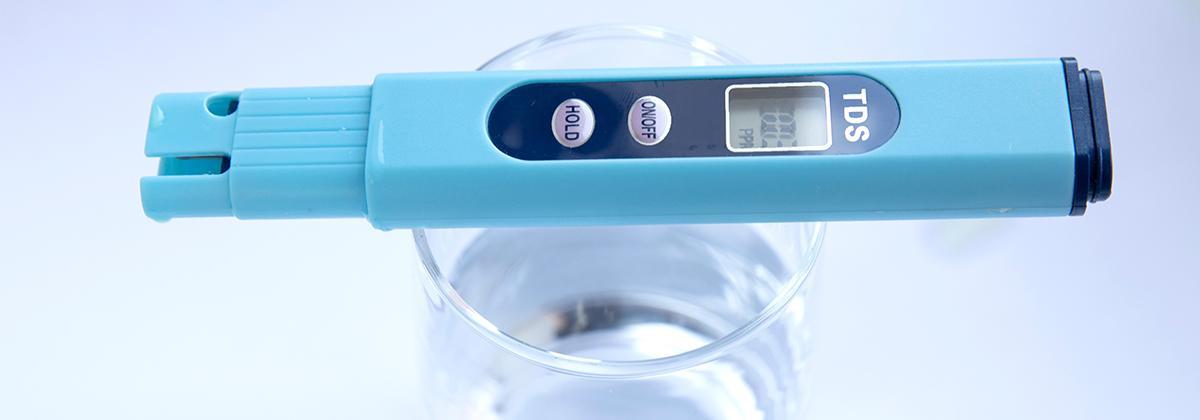
TDS stands for Total Dissolved Solids. It measures the total concentration of dissolved substances in water. These substances can include:
- Calcium
- Magnesium
- Sodium
- Potassium
- Bicarbonates
- Chlorides
- Sulphates
TDS is measured in mg/L (milligrams per litre) or ppm (parts per million).
Important: TDS measures quantity of dissolved minerals — not contamination or bacteria.
Why Is TDS High in Malta?
Malta’s tap water comes from two main sources:
- Groundwater from boreholes
- Desalinated seawater through reverse osmosis plants
The national water supply is managed by Water Services Corporation, which ensures that water meets European safety standards.
Because Malta is a limestone island surrounded by seawater:
- Groundwater absorbs natural minerals from limestone rock.
- Desalinated water is remineralised to stabilise it before distribution.
- Mineral blending increases overall TDS levels.
Does High TDS Mean Water Is Unsafe?
No.
A high TDS number does not automatically mean the water is unsafe. It simply indicates a higher concentration of dissolved minerals.
According to international drinking water guidelines:
- Water below 300 ppm → Excellent taste
- 300–600 ppm → Good
- 600–900 ppm → Fair
- 900–1,200 ppm → Acceptable
- Above 1,200 ppm → May taste mineral-heavy
Malta’s water falls within acceptable safety limits. It is regularly tested and complies with EU drinking water regulations.
What TDS does NOT measure:
- Bacteria
- Viruses
- Chemical contamination
- Heavy metals individually
That’s why TDS alone cannot determine water safety.
Why Does Malta Water Taste Different?
Many residents choose to install a water filter not because the water is unsafe, but because of:
- Mineral taste
- Chlorine smell
- Hardness (limescale buildup)
The Aquarius Direct water filter can reduce chlorine, improve taste, and balance mineral content — making the water more pleasant to drink.
TDS vs Water Safety: The Key Difference
It’s important to understand:
- Safety = Absence of harmful contaminants
- TDS = Total dissolved mineral content
You can have:
- High TDS but safe water (like in Malta)
- Low TDS but contaminated water
For example, distilled water has very low TDS — but it also contains no beneficial minerals.
Should You Use a Water Filter in Malta?
While Malta’s tap water is safe, many households install a water filter for improved:
- Taste
- Odour
- Appliance protection (less limescale)
- Drinking comfort
At Aquarius Direct, we help customers choose the right water filter solution depending on their needs.
Final Thoughts
A high TDS reading in Malta water does not mean it is unsafe to drink. It reflects the island’s natural geology and desalination process.
If your concern is taste, hardness, or chlorine, a reliable water filter can significantly improve your drinking experience — even though the water is already safe by regulatory standards.
Understanding the difference between water quality and water preference is the key to making informed decisions for your home.